

Step-by-Step Guide to Installing HPL Cubicles in Oman
Installing HPL cubicles in Oman requires precision and the right materials to ensure durability, hygiene, and long-term performance. From malls and offices to schools and hospitals, toilet cubicles built from High Pressure Laminate (HPL) have become the standard because of their moisture resistance, strength, and modern aesthetics
In this guide, we’ll walk through the step-by-step installation process of HPL cubicles, tailored to Oman’s conditions, while also highlighting key considerations for contractors, architects, and facility managers
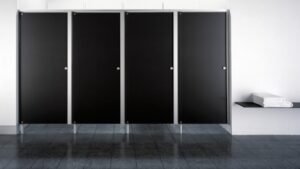
Step 1: Site Preparation
Before installation begins, the restroom site must be properly prepared:
-
Clean the area to remove dust, debris, or leftover construction material
-
Check floor levels to ensure proper alignment of cubicles. Uneven floors may require adjustment
-
Mark the layout using chalk lines or laser levels to determine where partitions and doors will be installed
This preparation ensures that cubicles align properly and remain stable over time
Step 2: Fixing the Floor Channels
HPL cubicles are installed using U-channels or stainless steel base shoes:
-
Position channels on the marked lines
-
Drill holes and use expansion bolts to secure them firmly into the floor
-
Apply sealant to prevent water from seeping underneath
This step creates a solid foundation for the panels
Step 3: Installing Divider Panels
The side and middle panels are then mounted vertically:
-
Place the HPL compact laminate panels into the floor channels
-
Use stainless steel brackets to fix panels to walls or adjacent partitions
-
Ensure proper spacing for uniform gaps
HPL panels are known for their scratch resistance and waterproof properties, making them ideal for high-traffic public restrooms in Oman
If you’re interested in the broader uses of these panels, check our full HPL Panels Guide
Step 4: Adding Doors and Hardware
The next step is installing doors with proper hardware:
-
Hinges: Stainless steel or nylon self-closing hinges for smooth operation
-
Locks: Indicator locks (showing occupied/free) are commonly used in Oman’s malls and offices
-
Handles: Lightweight, ergonomic handles for easy access
Pro Tip: Use anti-corrosive hardware to extend lifespan, especially in humid environments like gyms or pools
Step 5: Installing Headrails and Support Legs
For added stability:
-
Headrails (aluminum or stainless steel) are fixed across the top of cubicles.
-
Adjustable legs are installed at the bottom to support weight and prevent sagging.
This reinforcement ensures cubicles remain firm even under heavy daily use.
Step 6: Final Alignment and Finishing
-
Check that all doors open and close smoothly
-
Tighten screws and fittings
-
Seal edges to prevent water ingress
-
Clean the panels to give a professional finish
At this stage, the cubicles are ready for use
Maintenance Tips After Installation
To extend the lifespan of HPL cubicles:
-
Clean with mild detergent (avoid abrasive cleaners)
-
Regularly check locks and hinges
-
Inspect silicone seals and replace if damaged
-
Wipe dry after deep cleaning to prevent water spots
These steps are simple but crucial to keeping HPL cubicles looking new for years
Why Choose HPL Cubicles in Oman?
Compared to traditional wood or aluminum, HPL toilet cubicles are:
-
More resistant to moisture and humidity
-
More hygienic with non-porous surfaces
-
Stronger against scratches and impacts
-
Available in a wide variety of colors and designs
That’s why leading developers and facility managers choose HPL for public restrooms in Oman, as covered in our article: Why HPL Toilet Cubicles Are the Best Choice for Public Restrooms in Oman
For consistency, many facilities also combine cubicles with HPL lockers for gyms and schools, as explained here: HPL Lockers in Oman.
Installing HPL cubicles in Oman is a straightforward process when following the correct steps: site preparation, fixing channels, placing panels, adding doors, and ensuring stability with headrails. Once completed, these cubicles provide long-lasting performance, hygiene, and style—making them the ideal solution for Oman’s schools, offices, malls, and public facilities