

HPL Lockers vs Wooden and Metal Lockers | Why HPL Wins in Oman
In Oman’s schools, gyms, and public facilities, lockers face constant use, high humidity, and strict hygiene demands. The material you choose can decide whether your lockers last for decades—or need replacement after a few years.
While wooden and metal lockers were popular in the past, modern facilities are shifting toward HPL (High Pressure Laminate) lockers. Why? Because HPL outperforms both wood and metal in every important category: durability, hygiene, design, and long-term cost efficiency
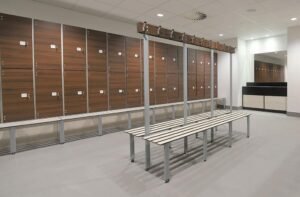
Why HPL Lockers Lead the Market
1. Durability Built for Heavy Use
HPL lockers are impact-resistant and maintain their structure even under daily wear and tear in busy environments. Wooden lockers, by contrast, warp and crack. Metal lockers dent easily and lose shape after repeated use.
See how HPL Panels dominate in durability.
2. Complete Moisture Resistance
In Oman, humidity is a serious problem. Wooden lockers absorb moisture, swell, and eventually rot. Metal lockers rust and corrode, especially in coastal regions.
HPL lockers? Zero swelling, zero rusting, zero problems.
Hygiene and Safety
HPL’s non-porous surface makes it resistant to bacteria, mold, and odors. This is crucial in gyms, schools, and hospitals.
Wood, being porous, traps bacteria and smells. Metal lockers, while less porous, still corrode and create sharp, unsafe edges when rusted.
For other hygienic applications, see why HPL laboratory furniture is the best choice for schools and research facilities.
Design and Aesthetic Superiority
-
HPL Lockers: Dozens of colors, woodgrains, and custom finishes. They can blend into modern interior designs or stand out with bold colors
-
Wooden Lockers: Natural look but limited variety, plus constant maintenance
-
Metal Lockers: Industrial look only, usually plain and unattractive
This is why premium gyms and schools in Oman are moving towards HPL for both function and style
Explore more on HPL interior cladding for modern spaces
Cost Efficiency Over Time
-
Wooden lockers may look cheap at first, but maintenance and frequent replacements make them expensive in the long run
-
Metal lockers seem affordable, but corrosion and dents lead to high repair costs
-
HPL lockers have a higher upfront price but last up to 20 years, with minimal maintenance—making them the most cost-effective solution
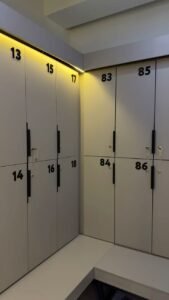
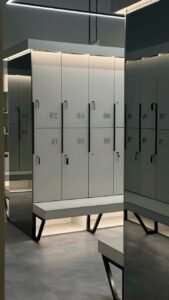
Real-World Comparison
| Feature | HPL Lockers | Wooden Lockers | Metal Lockers |
|---|---|---|---|
| Durability | Excellent | Low | Medium (dents) |
| Moisture Resistance | Excellent | Poor | Poor (rusts) |
| Hygiene | Excellent | Poor | Medium |
| Design Options | Wide range | Limited | Very limited |
| Maintenance | Low | High | Medium |
| Lifespan | 15–20 years | 5–8 years | 8–12 years |
| Best for Oman? | Yes | No | No |
Why Oman Facilities Should Choose HPL
From schools in Muscat to gyms in coastal areas, HPL lockers solve problems that wooden and metal options cannot. They resist humidity, guarantee hygiene, and maintain their appearance for years
Already trusted by top global brands—see why McDonald’s and KFC choose HPL for durable furniture
Wooden lockers are outdated. Metal lockers are noisy, rust-prone, and unattractive. The future of lockers in Oman is HPL
If you’re building or renovating a school, gym, or public facility, HPL lockers provide the smartest, most durable, and most hygienic solution available today
Learn more about why HPL lockers are the best choice for Oman’s public facilities